Manchin couldn’t have said to buy drugs and go hunting could he?

A “miscreant” is a person who behaves badly or in a way that breaks the law.
See number 6. In fairness, it can’t be easy being a radical lefty in the wilderness known as Ohio. He’s also a diehard Ohio State football fan so he’s still reeling from the Wolverine ass whupping.
Put all that together and I’m gonna let it slide.
One noteworthy thing he sidesteps, he could never substack like that in China.
When told The Former Guy was infected with the ‘rona during one of their debates, President Biden said the one thing a narcissist NEVER wants to hear, “I don’t think about the former president.”
Given his daily “To Do” list, I believe Joe. Everyone else, the January 6th commission and professional historians aside, take note.

Why do people engage in political debate on Facebook and other social media? Has anyone ever changed their party affiliation or political thinking more generally because someone on social media convinced them to?
It seems utterly ill-suited for meaningful political discussion. Bumper stickers probably are a more effectual means of political persuasion.
In response to the Former Guy’s default move that has gone from tiresome to laughable to unfathomable. You can only sue people, or entities, 1,000 times over the course of your life.
Postscript: The humble blog has a lot of lawyers among its readers. Here’s hoping one of them will take me on when I’m sued for posting this.
“One day in August 2021, Zhao Wei disappeared. For one of China’s best-known actresses to physically vanish from public view would have been enough to cause a stir on its own. But Zhao’s disappearing act was far more thorough: overnight, she was erased from the internet. Her Weibo social media page, with its 86 million followers, went offline, as did fan sites dedicated to her. Searches for her many films and television shows returned no results on streaming sites. Zhao’s name was scrubbed from the credits of projects she had appeared in or directed, replaced with a blank space. Online discussions uttering her name were censored. Suddenly, little trace remained that the 45-year-old celebrity had ever existed.
She wasn’t alone. Other Chinese entertainers also began to vanish as Chinese government regulators announced a ‘heightened crackdown’ intended to dispense with ‘vulgar internet celebrities’ promoting lascivious lifestyles and to ‘resolve the problem of chaos’ created by online fandom culture. Those imitating the effeminate or androgynous aesthetics of Korean boyband stars—colorfully referred to as ‘xiao xian rou,’ or ‘little fresh meat’—were next to go, with the government vowing to ‘resolutely put an end to sissy men’ appearing on the screens of China’s impressionable youth.”
Meanwhile, U.S. anti-maskers and vaxers have lost their freedom. Cry me a river.
“This is a faded simulacrum of the once-great comedian, who now uses his significant platform to air grievances against the great many people he holds in contempt, while deftly avoiding any accountability. If we don’t like his routine, we are the problem, not him.”
In the New York Times.
I think so. At least that’s my conclusion after reading Slate’s “Progressives May Be Making a Huge Error in Trying to Save Their Agenda”. Republicans, moderate Demos, and progressive Demos.
The conclusion:
“The GOP is full of loons and nihilists these days, and planning a legislative strategy partly around the hope that they’ll come to a responsible bargain in a few years’ time seems a little Pollyannaish.
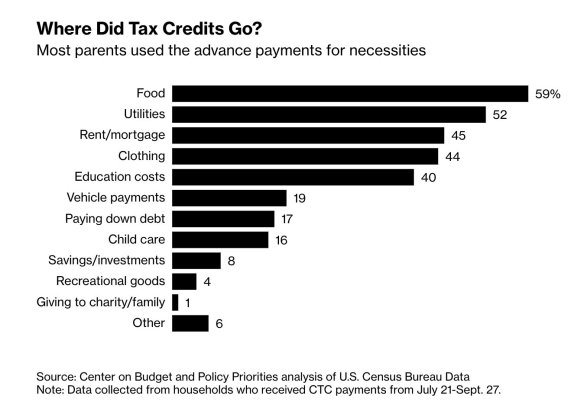
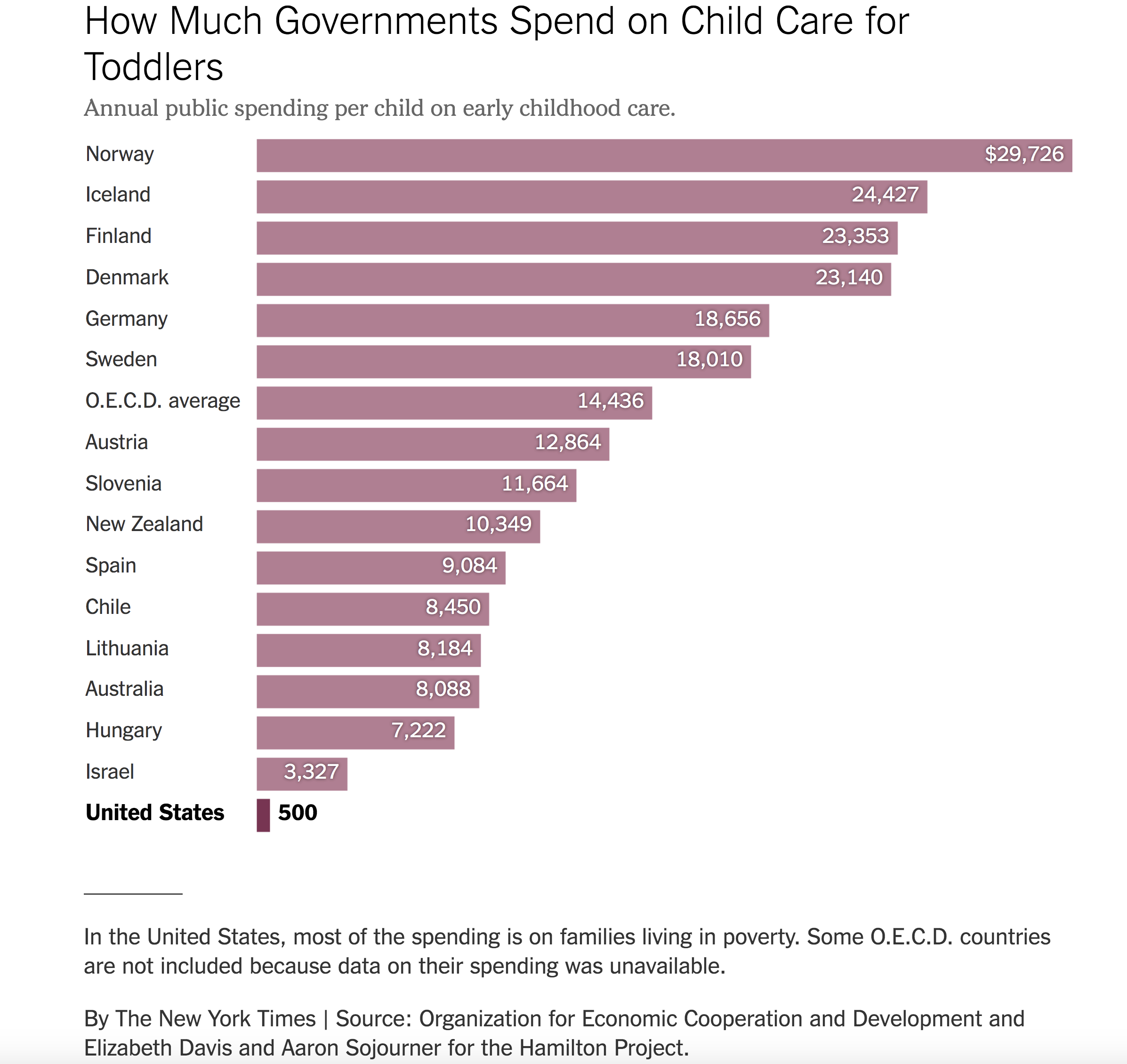
In the end, I’m guessing Democrats will settle on a combination of . . . approaches. They may make a paid leave program permanent, but only temporarily extend Biden’s child tax credit, as is currently the plan, anyway. But personally, as a somewhat risk-averse human being, my impulse is to do fewer programs and pay for them to be permanent, so Americans can actually begin planning around them with at least a tiny bit of confidence. LBJ didn’t set Medicare on an egg timer, after all. Imagine how much frailer our safety net might be if he had.”
 Pressing Pause