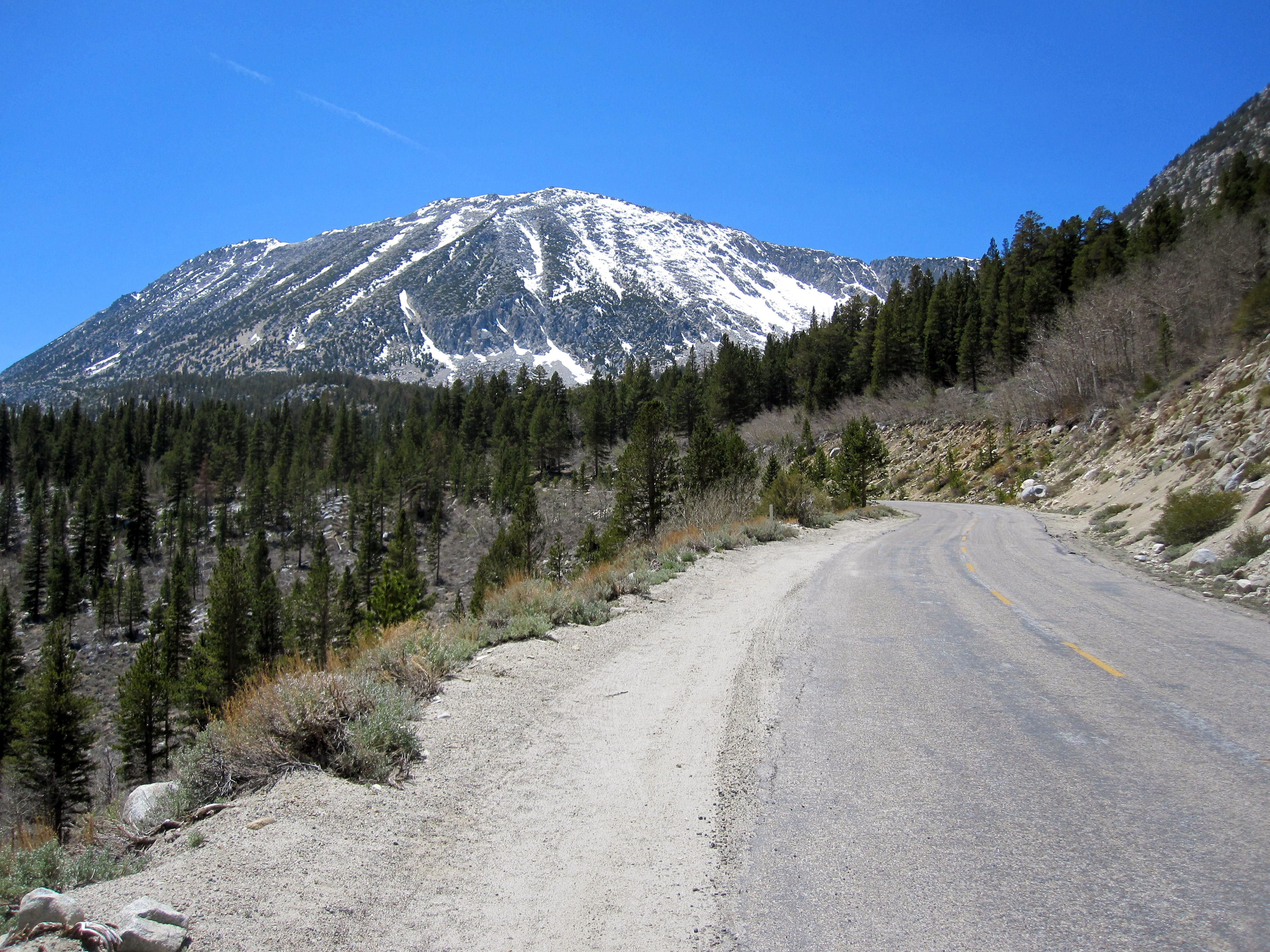
A Plea to Drivers—Let Us Live

Happy to report that I’m running, cycling, and swimming mostly pain free. Some low level tendonitis, but nothing ice can’t remedy.

I’m hiking from the North Rim of the Grand Canyon to the South, on May 23rd. Twenty-four miles in a leisurely 12 hours, assuming a rattle snake doesn’t get me. Then, to the top of Mount Humphrey, the highest peak in AZ, the next day.

A five day cycling camp in and around Bend, Oregon the first week of June.

In late June/mid July, I’m considering entering a shortish local triathlon and/or a nearby half iron.

And thanks to lottery success this year, on July 31st, the always epic Ride Around Mount Rainier in One Day. Here’s another RAMROD write-up. And here’s more course info.

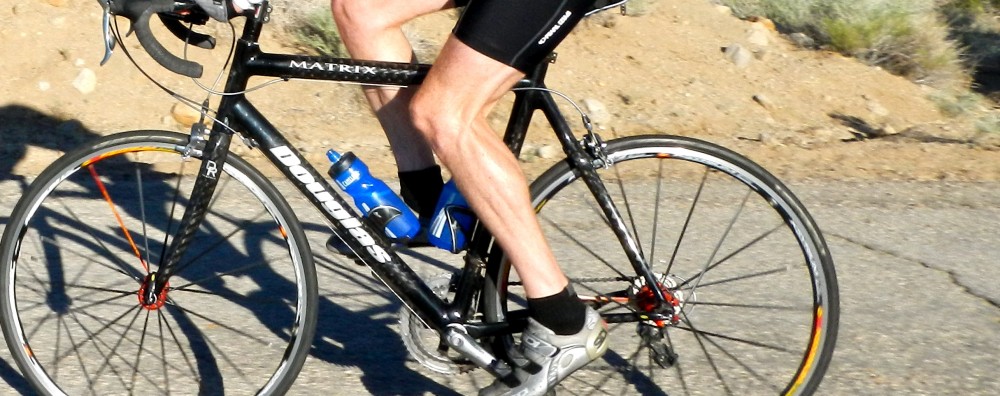
Runners and cyclists have an obligation to follow the rules of the road and run and cycle defensively. Among other things, that means wearing bright colored clothes; using flashing lights early and late in the day; and following the rules of the road, including stopping for stop signs and red lights whenever anyone is within view; and always running behind any car with tinted windows.

Drivers also have an obligation to follow the rules of the road including stopping at stop signs, looking both ways before pulling onto a roadway, adhering to the speed limit, and respecting bike lanes.

I’ve had a scary number of close calls this spring. I don’t know why, but lots of drivers in my community are in a BIG hurry. That means they routinely brake 10-15 feet beyond white stop sign lines. Which can mean broken bones if not worse. Then, the same hurried drivers glance one way and quickly speed away.

Another common occurrence is what I think the police should write up as an “out of sight, out of mind fuck up.” This is when you, the driver, pass me, the faster than you realize cyclist, and immediately forget I’m right behind you in the bike lane. Then, you suddenly turn right, right in front of me. Recently, I locked my brakes up, swerved, and somehow managed to avoid contact with you.

Even worse, recently, a guy buzzed our bike team by passing closely by us at about 65mph and then immediately swerving into the bike lane. Then yesterday, Mark and I were riding side-by-side in a bike lane when a hulking SUV edged towards the line and gunned it. The message, “I could kill you, if I wanted.” As happens on occasion, we caught the offending SUV at a red light 200 meters later. The driver immediately looked down at her cell phone to avoid eye contact with us. Like driving a drone, she didn’t want to see the individual people on the bicycles.

I imagined her chuckling with her husband about her feat at dinner. If her window was down, and I had a chance to collect myself, I would’ve said to her what I want to say to you:

You’ve got about three tons on us, so if you want, you can easily kill us. But we have wives, children, and sometime soon, grandchildren. They would be sad. So please share the road peacefully and let us live. Thank you.


Forget Mayweather-Alvarez, Seahawks-Forty Niners, Alabama-A&M

The best matchup of the weekend is Byrnes-Kennett.

Black Diamond Half Ironman Saturday morn @ 0900 at Nolte State Park.

Last year Kennett destroyed the 50-54 year old division by 22 minutes. I was recovering from Iron Canada. My plan tomorrow is to sneak up on him and make him earn the victory.

Swim Transition 1 Cycle Transition 2 Run Total
2011 Byrnes 30:42 3:12 2:42:54(road bike) 1:52 1:40:09 4:58:49
2012 Kettering 33:37 3:12 2:39:32 1:20 1:39:51 4:57:33

I’m fit, but not as fit as 24 months ago. Unlike the run up to Canada, I’ve missed workouts. I feel undertrained and it’s going to be unseasonably warm (70s), but I will empty the tank and report back in case no one from SportsCenter shows.

cropped-sierra-killer-climbs-5-2012-151.jpgPostscript—I got spanked.


Maybe Our Most Perfect Drug

Lots of people are seeing therapists and taking meds to combat anxiety disorders and depression. Stacy Horn suggests a much less expensive alternative, join a choir. She explains:

. . . as science works to explain what every singer already knows, no matter where you fall on the voice suckage scale—sing. I know of no other activity that gives so much and is this eminently affordable and accessible: Just show up for choir practice. Singing might be our most perfect drug; the ultimate mood regulator, lowering rates of anxiety, depression and loneliness, while at the same time amplifying happiness and joy, with no discernible, unpleasant side effects. The nerds and the church people had it right.

In high school, following the lead of some close friends, I sang in a large Lutheran youth choir. We toured for two weeks each summer, wowing Lutheran congregations all over the fruited plains. One summer at Indiana University in Bloomington, we even won a large national competition. But, as any Lord’s Joyful alum will tell you, no thanks to me. When you look up “voice suckage” in the urban dictionary, you see my larynx. Little known fact. Kool Herc, Kurtis Blow, and The Sugarhill Gang started rapping in the late 70s so that I’d have an alternative to singing.

Horn earns my enduring affection with this confession:

One of my main goals in our weekly rehearsals is not being heard. Over the years I’ve become a master in the art of voice camouflage, perfecting a cunning combination of seat choice, head tilt, and volume.

As they liked to say on The Wire, I feel you!

My alternative drugs of choice, by which I mean social activities that help me maintain some semblance of mental health, are swimming, cycling, and running with friends.

The GalPal and I recently enjoyed catching up with old friends from the state that just decided to stop paying teachers extra for Masters degrees. One whom struggled with depression recently. Her most perfect drug? Caring for and riding a horse. Almost daily. At first glance, this activity isn’t as social as the others, but in fact, our friend always looks forward to seeing the same few horse owners at the medium-sized, community-based barn. A couple of times a week, after grooming and riding their horses, they cross the street to a golf course restaurant where they eat and visit. Her mental health in tact for another day.

Reduce anxiety and depression without therapy or meds. Follow Horn’s advice and join a community choir. Or follow my lead and swim, cycle, run, hike, or walk with another person. Or if you can afford it, horse around with friends. You feel me?

imgres

Me at my last concert performance

A Panacea for Improved Health

I have a neighbor who makes money off of his car. He carefully shops for an underpriced used one, then takes immaculate care of it, and then gets reimbursed by his employer at 50+ cents per mile.

I admire his fiscal discipline, but who wants to spend their weekend washing their car the way he does? One time he yelled at another neighbor who was washing the bottom 90% of her van. “You gotta start with the roof and work down!” Best comeback ever, “No one’s gonna see the top!” Blood pressure spike. And he routinely rips me for using the last bit of dirty water in the bucket to wash my wheels, but I tell him my goal is for my car to be 90% as clean as his in 10% of the time. And normally it is.

We’re all obsessive about something. One could argue I substitute exercise for car washing. Last week was pretty typical for April. Four runs for 28.7 total miles. Two swims for 6,000 meters and two bike rides for 90 miles. And an hour lifting weights. Total time, 11-12 hours. People like me tend to have a lot of fitness activity-based friendships and we often find the swimming, cycling, and running enjoyable in and of itself. We’d still go out and run, swim, and cycle even if there weren’t empirical health benefits tied to those activities. We’re lucky that our hobbies come with health benefits.

Some people no doubt think about my commitment to fitness the same way I think about people who obsess about the stock market’s every move and spend their days thinking, talking, and writing about money. There’s an opportunity cost to finance tunnel vision. Life passes by. Investing wisely is a means towards other more meaningful ends—like learning about other people’s interests and engaging with them.

Like extreme car washing, there’s a tipping point where a person’s fitness routine can detract from their physical, emotional, and spiritual health. That’s where “Doc Mike Evans” comes in. He asks a great question near the end of this high-speed informative whiteboard lecture—Can you limit your sleeping and sitting to just 23.5 hours a day? 

Like my quicker, more casual approach to car washing, Doc Evans explains how you can achieve most of my health benefits in much less time. Walk 20-30 minutes a day. Even better if you integrate walking as a means of transportation by living within a mile of your work, a grocery store, and other stores. And of course driving less is good for your pocketbook and the environment too.

Forget my approach of driving to the pool and overdoing it in the form of occasional marathons and triathlons*. Instead, as Doc Evans advises, walk 20-30 minutes a day and enjoy markedly improved mental and physical health.

Maybe you’re already a walker, but wish there were even more tangible health benefits. Evans explains how you can reap additional benefits by extending the time and distance of your daily walks. But since time is most people’s greatest obstacle, I suggest picking up the intensity by choosing more hilly routes. My running teammates probably get tired of me saying, “The hills are our friends.” When I don’t feel like exerting myself much, which is a lot of the time, I sometimes commit to a hilly route because hills force me to increase the intensity. As an added benefit, when I’m running up hill, my conservative Republican Nutter friends don’t have enough oxygen to complain about the current political scene. If you’re a Florida or Texas flatlander, move.

We expect complexity today, but this isn’t. If you want to enjoy an improved quality (and quantity) of life, take a ten minute walk sometime today. And then repeat tomorrow. And the next day. Extend it to twenty minutes next week. And repeat. Every day.

* This summer I’m going to be more family focused than last year. We’re looking forward to a fair number of visitors from afar, and at the end of the summer, launching Seventeen at a still-to-be-decided college. I’m #34 on the RAMROD waitlist which means I’ll definitely get in and Danny and I plan on running the Wonderland Trail in mid-August. I may throw in a few short/medium distance triathlons on unscheduled weekends. Or maybe I’ll just take a walk.

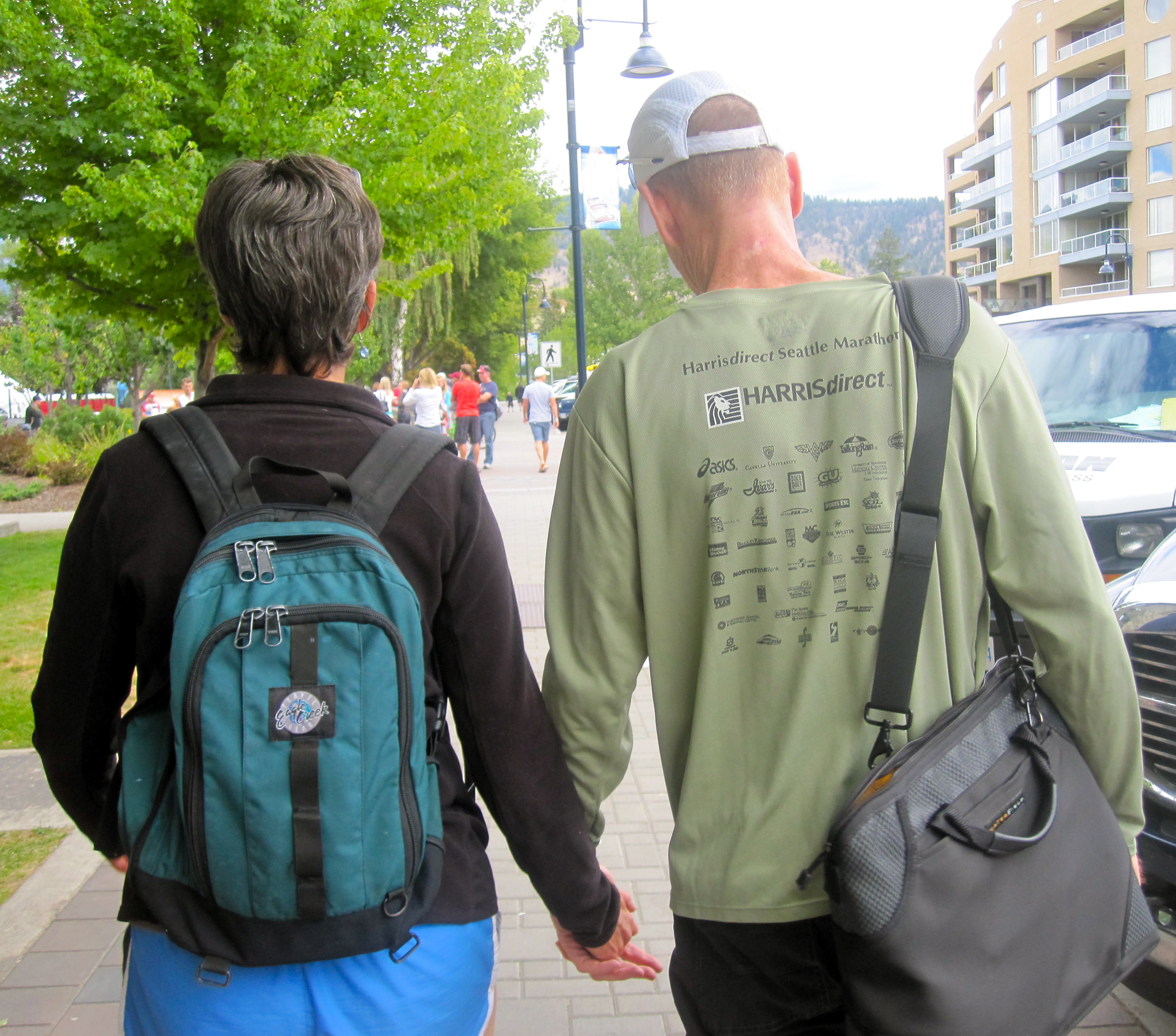
Betrothed and I walking

Amazing she’ll still hold hands with me after all these years

Living Healthily By Feel

As I wrote recently, modern life requires some dependence upon expert recommendations, but when it comes to our health, we’re too dependent upon scientists; when it comes to our money, we’re too dependent upon financial planners; and when it comes to our spirituality, we’re too dependent upon religious professionals.

A recent Wall Street Journal story described a study of older recreational athletes. The conclusion, past age 50, running more than 15-20 miles a week at faster than 7:30 per mile is associated with higher mortality rates. That makes sense since fast long distance running is a form of stress. So far, I’ve ran about 1,470 miles this year or almost exactly 30 a week. Most of those miles were in the 7:30 neighborhood (well, not the last 8 in Canada). In addition, I’ve swam about 185 miles and rode 5,272—all personal highs thanks to my Ironperson Canada prep.

According to some scientific experts, I’m killing myself in the predawn perpetual light rain, in the sense that I’m shortening my life. If you listen carefully, you can hear couch potatoes everywhere cheering lustily.

So do I dial things back? I accept the studies’ peer-reviewed conclusions, but I’m too skeptical to change my overly active lifestyle as a result of the study. When determining how far and fast to run, swim, and cycle; instead of living purely by science; I choose to live mostly by intuition or feel.

I know myself better than the scientists who conducted the study. Consequently, I’m just arrogant enough to think their study doesn’t apply to me. I’ve slowly built my endurance base over the last twenty years, I eat well, I prioritize sleep, and I’m pretty good about minimizing everyday stress. Regularly going semi-long contributes to the excellent quality of my life. I’m convinced I’m physically, mentally, and even spiritually healthier than I otherwise would be if I cut back based on this study’s recommendations.

I would like to live a long life, but I’m even more interested in maintaining a good quality of life. Late in life I want to remember my past; read The New Yorker; write regularly; and walk without falling down.

I could be wrong. About one of the most important decisions imaginable. The horrors, I may not be special. If some of you are at my funeral in two or twenty years, I give you permission to laugh one last time at me.

Saturday morning, I extended myself for only the second time since Ironperson Canada (the other was the Seattle Half Marathon two weeks ago). I ran 10 miles with my favorite right wing burners, inhaled a large bowl of oatmeal, and then celebrated Hob’s 52nd birthday by swimming 52 100’s. Dear longevity researchers, stick that in your pipe and smoke it.

IMG_1628

IronCanada 2012—Blood, Sweat, and Cheers

The Truthiness of Things

Swim 1:03:03 (6th out of 217 in 50-54 age group). T1 6:34. Bike 5:40:46 (33rd out of 217). T2 6:20. Run 3:50:30 (7th out of 217). Total, 10:47:12 (14th out of 217).

The Training

Twenty years ago I adopted an active lifestyle where I either swim, cycle, or run five or six days a week nearly every week of the year. I’ve done several Olympic distance triathlons and two half irons. I’ve long watched and puzzled over the 140.6 mile long distance scene. Eleven months ago, when intrigue trumped ambivalence and I registered for IronCanada, I had no interest in “just finishing”. Instead, I established one overarching goal, to complete the run in less than 3:59:59. I knew if I saw a “3” at the start of my run time, in all likelihood there would be a “10” at the start of my total time.

Once I started to train in earnest, I got more specific and thought if everything came together just right the following was possible—1:03, :06, 5:36, :05, 3:50, 10:40. To avoid unnecessary pressure, I kept that equation to myself. I also skimmed the results from the last few years to see how fast the burners in my 50-54 year age group were likely to go. Then, a month ago, when a serious heat wave settled over central British Columbia I decided it made more sense to shoot for a tenth place finish, whatever the conditions, whatever the time.

A healthy fear of racing the distances really helped narrow my training focus. There was little “I should probably work out today” dithering. Even if I was consistent I knew I was going to suffer mightily on race day. If I started cutting corners, I’d not only suffer terribly, but have the added disappointment of underachieving. Once in awhile I chose rest over a planned workout, but that was to avoid injury.

A typical training week was three swims for a total of 7-12 kilometers. No stroke work, no kicking, no drills, half with paddles and pull buoys. Two hundred miles of cycling. Typically two 60ish club rides (meaning intervals) and a solo 80 miler on my time trial bike on Saturdays. Four runs for a total of 30-48 miles. I almost always ran 8-10 miles off the Saturday long ride in increasingly warm afternoon temps. Two key workouts. I ran 15 rolling miles off a hot 70 miler and 4 miles off a 125 mile solo effort (ride time 6:32).

Early on I was dismayed by my average cycling speed, low to mid 18’s. In the last six weeks, without seeming to lean on the pedals any harder, I started to see improvements, regularly averaging low to mid 19’s and 20. And to my surprise, from the beginning of my five-month build, I always ran solidly off the bike. Maybe it was getting professionally fitted and my improved bike position, maybe it was the salt tablets that finally kept the cramping at bay, maybe it was my above average weekly run mileage, or a combination of each. I always ran between 7:45s and 8:15s off the bike, even on the hot and hilly 15-miler, even after 125 miles. I told the running posse that it was starting to feel easier to run 8 minute miles off the bike than fresh out of bed at 5:45a.

Running solidly off the bike built confidence. Confidence to post a “3” and a “10” given decent conditions. I also devised some unique mental strategies. One came to me at the top of a climb in the Eastern Sierras in May. As I sat by a beautiful mountain stream, I meditated on the water’s natural, effortless flow. What if I ran like that? Lightly, naturally, steadily. And then my most bizarre race prep idea of all time. The Canada run course borders Lake Skaha between miles 4 and 22. I started visualizing the lakeshore lined with Canadian Navy Seals (camouflaged and mostly submerged under water) who had “shoot to kill anyone walking” orders. The only way to survive would be to keep running, no matter how slowly. That of course introduced a real dilemma. How could I manage to adequately warn all of my fellow competitors who were slowing to a walk that their lives were in imminent danger?

Pre-race

I planned on traveling to the race solo, but I’m glad we turned it into a family vacay. We dig Penticton. Broke the bank on a house rental two blocks from the beach and start/finish. Sunday morn I left the house shortly before dawn with my wetsuit draped over my shoulders. Blue skies, next to no wind, a wonderfully flat lake. Athletes started appearing out of the glooming. It’s strange to train almost completely alone and then be surrounded by 2,700 other athletes. And to have lots of people watching what I’ve been doing in complete anonymity. I got somewhat veklempt walking down a semi-dark Main Street. Five months of anticipation finally giving way to racing.

Then, standing in the lake minutes before the start, the singing of the Canadian national anthem. A soul stirring rendition. From far and wide. O Canada.

Thankful to be healthy, to be in such a beautiful spot, for my family’s presence, and for all the friends and extended family monitoring and pulling for me from afar.

Act 1—The Swim

In the Torah it says, “We see things not as they are, but as we are.” This is how I remember the race. Which doesn’t necessarily mean it’s the way it went down.

Lined up just right of center in the second row. Anxious as hell. Anticipating an alley fight. Then, somehow, I cruised to the first buoy nearly unscathed. Piece of cake. Why does everyone exaggerate how physical the start is? Just when I started to relax and get a little cocky, I got seriously squeezed by 20 people on my left and 10 on my right. The 130 meters between buoy one and two were the longest two minutes of my life. I panicked, breaststroked a few times, and thought to myself, “Straight lines and the race clock be damned, I just want open water.”

I wanted to get ten people to my right, completely on the inside, but it was like trying to walk across a 30 lane freeway moving at 60mph. I slowed my already slow breaststroking to regroup and turned backwards to see if I could slip back and to the right, but it was a constant stream of rubberized humanity. I now understand how even strong swimmers who are comfortable in the water can get in trouble.

I don’t know how, but I pressed forward. Gradually, it loosened up just enough for me to calm down and get back into a rhythm of sorts. I spent a quarter of the rest of the swim on other people’s feet and three quarters swimming into small open pockets of water. I knew drafting off other people would be faster, but I didn’t care. I just wanted to pretend I was at home in tranquil Ward Lake. By the end, I took three shots to the head, but nothing debilitating.

I always loose my balance and end up semi-dizzy after open water swimming. After throwing in a few dolphin dives for the crowd and staggering for thirty seconds well right of the ramp, I made my way into transition one.

As per tradition, my transitions were disasters. When you exclude them, I raced faster than the 10th through 13th place guys in my age group. Wish I hadn’t crunched those numbers. I have a bevy of excuses, but there’s lots of human error mixed in too. Excuse. I had to hit the sunscreen hard given my fair skin and history of skin cancer. Human error. I wore my swimsuit instead of cycling shorts for the first time ever in a race. It was also hard getting my arm coolers all the way on with wet skin. And I ran to the wrong side of my bike rack and had to crawl under to get it unracked. Comedy of errors. But I hadn’t drowned and I was ready to ride.

Act 2—The Bike

Realized early on I didn’t have my gel flask in my jersey pocket. Another transition fail. I did take salt supplements every 30 minutes, 13 in total. And two powerbars. Felt good and settled in through downtown and up McClean and into Okanagan Falls. High cadence, low effort. Riding like a mountain stream. Reminding myself that the ride begins at the Husky Station at mile 40, at the base of the 11 kilometer long Richter Climb. Between OK Falls and Osoyoos three different groups of riders passed me in blatant violation of the no drafting rules. Hardest part was spending five minutes watching them slowly pull away. I’m guessing there were some 50-54 year olds mixed in there.

I was gradually improving my position on Richter which wasn’t as tough a climb as I had remembered from five years ago when I did it on a training ride. Just past the top I pulled over at an aid station for a bottle. Another cyclist rode into me, I braked too hard, and went over my handle bars at about 4-5mph. Probably my fault for not signaling clearly enough. He was fine, but I had a short, very deep cut on my right shin and was bleeding badly. I’m guessing it took five total minutes to find three bandaids that would stick. I probably could have used a stitch or two, but to borrow from Frost, there were still miles to go. The blood ran all the way down my lower leg onto my white sock which turned light red. Total badass. Look out now mothers!!!

The most amazing aspect of the second half of the ride was the utter absence of wind. I thought there was always a serious headwind throughout most of the second half, but the anticipated press against the chest never came. Which was wonderful. Like the IRS saying, “We’ve decided not to audit you after all.” Loved the smooth pavement on the out and back, up to Yellow Lake, and back into town. Stood a lot on the short climbs and broke up the long ones by standing at times too, but was careful to keep it under control. I rode like I trained, at about 80% effort. Max speed descending from Yellow Lake, 48.3.

Act 3—The First 18 Miles of the Run

Ran like I trained. Went through the half in 1:48:25 and continued to run low 8’s through mile 18. Passed a fair number of peeps. Took salt supplements every three miles and sports drink and flat cola every mile. Drank approximately 120 ounces. Blood was flowing from underneath the bandaids, but there were still miles to go.

Act 4—The Last 8.2 Miles of the “Run”

The ex-7x TDF winner likes to say, “Sometimes you’re the hammer, sometimes you’re the nail.” The last 8.2 miles was ALL nail. The internal dialogue. “F$*# the mountain stream metaphor. And I don’t give a sh&t if the Canadian Navy Seals have me directly in their sights. Go ahead and fire. Put me out of my misery. That’s it, I can’t take it anymore. I’m walkin’.”

I walk 16 minutes a mile so if I’m running almost 8 minutes a mile, it’s an 8 minute penalty per mile spent walking. I think I lost a good 12-15 minutes over the last 8.2 miles which means I almost walked two of the last 8.2 miles. Put differently, I ran 24 miles, which I’ll take. Especially given the second half headwind and temps in the high 70’s, low 80’s.

The finish. Pardon the sexism, but when a female athlete passes you in the last 100 meters of a triathlon, it’s referred to as “getting chicked”.  With 100 meters to go I was “geezered”. A ripped guy with the number “60” on his calf passed me at the 140.5 mile mark. I was relieved to hear the announcer say he won his age group (by 45 minutes it turns out), but still, to spot the guy ten years?!

My personal fan club was at the finish cheering wildly in their iRONman gear. Just like before and after the swim, just like before and after the bike. And best of all, somewhere on the Southern California coast, WonderYears Wayne slammed his laptop shut, ruing the fact that his run as the fastest Iron athlete in the fam was finally over, forever and ever, amen.

Act 5—Post Race

I told the race volunteers who “caught” me that I needed to have a cut cleaned, looked at, and taped up. They immediately labeled me “Walking Wounded” and ushered me into the medical tent. The World Triathlon Corporation is a much maligned organization these days, and in many cases for good reason, but the Penticton volunteers were unbelievable. Maybe the WTC deserves some credit for that. One doc said I had a piece of gravel in my cut. How badass is that?! All that extra weight I carried over the last 90 miles!

After getting my cut cleaned and taped up I felt nauseous, tingly, and altogether terrible. Probably borderline heatstroke. They moved me to the second level of the medical tent where I sat for a half an hour drinking soup with ice on my head while being attended to by a nice nurse. Gradually I felt good enough to make the three block walk home. The GalPal and 17 picked up the bike and gear bags and 20 warmed up an assortment of leftovers. I woke up at 3:45a.m. and made myself a peanut butter and jelly sandwich.

I had wanted to wade into the lake right after finishing to speed recovery, but didn’t because I was in such miserable shape. Nor did I eat nearly quickly enough. As a result, I’m still quite sore four days later.

Thanks to everyone who helped me train, offered advice, and/or cheered me on from afar. And thanks to my family for putting up with the extra training and fatigue.

And thanks dear reader for making it through the world’s longest race report. Congratulations, you’re an IronReader!

Killer Climbs—Day Two

Subtitle—Voices.

Laying in bed last night, the voice was one of my internal ones, “You really should run before riding, just like yesterday. Don’t be a loser, get up and put one foot in front of the other.” To which another of my internal ones countered, “Yeah, but what about my trip motto, ‘train, don’t strain’?”

Whenever I go to bed unsure of whether to get up and run at 5:45 a.m., I sleep a little late, lay in bed, and kick myself throughout the day for what coulda and shoulda been. Those are the days everyone is out running just to remind me that I’m a lowlife. In short, I have to totally commit and visualize it before knocking off. Go to bed all Mitt Romney flip-floppy-like and forget about it.

The ride was straightforward, climb a highway for 25 miles to South Lake. Total elevation, 5,800′. Then descend eight miles to a fork and climb for five or six more miles to Lake Sabrina. Why? Because it’s there and we drove for 20 hours to get here.

There I was 16 miles in, working my ass off, when I shifted a couple gears before standing and relieving my back. The small-ring shifter cable snapped and I was stuck in one gear. Done for the day. Since the big-ring shifter still worked fine, I had two gears, neither which I could even remotely climb in. I descended back into town and found Aerohead, an amazing hole in the wall bike shop, where Brian was waiting to repair my injured steed.

Most amazing shop experience evah. Brian had to work really hard to get the cable out and said I was almost “Completely f-ed.” Then he heard the deep squeaking noise my headset/bars have been making and said “That’s heinous.” Is that brilliant or what? Line of the day. He broke everything down, headset, fork, bars, pulled the steerer tube out and inspected it for cracks, cleaned and lubed everything and put it all back together. A craftsman. Total cost of everything, $17.69. Un-f-ing believable.

Returned to the hotel where the bed whispered, “Just lay down. Enjoy the piece and quiet of an empty room. Kick on the tube, watch some basketball, some golf, chilax.” The shower shouted, “Just hop in! Let me wash away your sunscreen, dust, dirt, salt, and fatigue. It will feel really good, promise.” I thought to myself, “Dammit, shut up! I should ride another two hours or maybe I should run.” Then the shower and bed teamed up. “Just hop in and then lay down.”

Character building run—totally exposed to the sun, warm, at elevation, partly uphill. Felt decent through 10 and like complete shit at 11. The days deets—30 mile ride in 2:04 for a 14.7mph average. 3,146′ of elevation, and a measly max of 42. 13.1 mile run in 1:47. 691′ of elevation, 8:08 pace, but don’t be fooled, I completely unraveled and entered “stick a fork in me” territory at 12. Stomach cramps prompted walking breaks.

A final voice. Again one of my own internal ones. “Who are you trying to fool? Can’t even ride for two hours and run for two, what makes you think you can ride for six and run for four? Why did you even sign up to go long? Moron. Poser. Sorry excuse of a triathlete.”

Too bad it’s not, swim, cycle, self flagellate.

Triathlon Training Update—April 2012

[Newer readers—I had a mental lapse last year and registered for a late August Iron-distance triathlon—3.8km swim, 112 mile bike, and 26.2 mile run—in Penticton, Canada. Once a month the sports world anxiously awaits my training updates.]

Solid month of base building, but swim and bike times are slow. Three flats later, I found a very small piece of metal in my back tire which may help explain the pedestrian bike numbers. The swim times are probably off because I’m training solo, and therefore, not working as hard as when pushed by other fishies. Running has been steady, not speedy, but very solid. I have to get used to longer and even slower than normal distance-based training. The key is finding a rhythm—in each activity—that’s sustainable for hours on end.

In April I knocked out a few mid-distance bike-runs that went well. The mental toughness those require is as valuable as the physiological adaptations. Related to that, I have to learn to run slower in the first 30-60 minutes off the bike. My muscles are so warmed up, I routinely get out of an even semi-realistic “sustainable rhythm for hours” zone. I also have to learn to adjust for warm temps—something that’s tougher than it sounds. That will be the focus of my early August Tampa, FL running.

Like most athletes I have a time goal. Older bro and Lance both went 11:44ish so it would be nice to be south of that. But a friend’s experience at Iron-distance St. George, Utah last week makes me wonder if I should take an alternative approach to goal setting. Long story short, at St. George a 40mph wind kicked up shortly after the swim start. Two to three foot swells kept many from finishing the swim. Had the wind started fifteen minutes earlier, they would have shortened or cancelled the swim. The same 40mph winds played havoc with the bike leg. Times were 40-90 minutes slower than normal.

Stoicism encourages people to set goals that are in their control—such as the quality of the effort they expend in contrast to finishing in first place.

Who knows what race day will hold—a few years ago nearby wildfires meant competing through smoke and haze. High winds, rain; even hail; and most likely of all, serious heat; could sabotage my day if I stick to a hard and fast time goal. The alternative? Age-group placing since everyone has to endure the same conditions. So what place in the 50-54 year old geezer division am I shooting for? Not telling.

The first serious setback to my training took place a week ago when my back seized up for the first time in about 18 months. Painful. My hips were completely out of alignment. Chiro said it was the worst he’d ever seen me. So May started off with long awaited idyllic weather and unplanned, forced rest. Everyone is getting in better shape except me. Poor, pitiful me. Meanwhile, I’m laying on the floor with a heating pad watching the NBA playoffs. The good news is I’m slowly improving and right now I’m about 75-80% of normal.

Next week I depart for the first of two bike intensive training trips—this one to the Eastern Sierras in the state where my cycling fame first took route—California. It’s going to be sunny and hella hot which should be good for my back. Starting next Friday, I will be taking you along, so buy some sunscreen, pump your tires, and lube your chain.

And there’s this from a pre-departure email: On the way down Wednesday, we might stop and do a short ride on Mt. Shasta, and then stay in a motel in Burney, CA. On Thursday, the highlight will be lobster tacos at the Mobil Station at Mono Lake.


Battling Self-Doubt—Who to Believe?

When I was eighteen, nineteen, twenty, I remember being frustrated when home from college. I have three older siblings. One older brother is mechanically inclined, so whenever something needed fixing, it got fixed before I ever got the chance to swing the bat. And no one ever taught me how to work with my hands. Through teasing, I got put in a “mostly incompetent” box which hurt my confidence and zapped my initiative. Better not to try than to fail. A downward spiral of self-doubt. Alex Smith in need of a Jim Harbaugh.

Built like a pool cue, I was also labelled soft and spoiled. Truth be told, I shied away from physical contact, and by the time I came along, my parents were better off, the task master was often traveling, and Mother Dear had let her hair down. I did live a charmed life. I coasted through high school so much, my dad, who also thought of me as sheltered, discouraged me from going to college.

Proving him wrong was motivating. As a first year college student living on my own in a culturally diverse, challenging, and stimulating setting, I was transformed. Afraid of failing, I applied myself, studying intensely. I quickly improved as a thinker, writer, student. I gained confidence in communicating original ideas. I met lots of interesting people who had no preconceived notions about me. I spent a summer working at an inner-city Boston park and food bank with a dozen other college students from around the country.

Whenever I returned home though, time seemingly stood still. In the eyes of my family, I was still the mostly incompetent, soft, sheltered, spoiled seventeen year-old. The result was equal parts alienation and frustration.

So who to believe, others from the past or myself? Incompetent, soft, spoiled, sheltered, or increasingly capable, resilient, socially conscious, and experienced?

This “who to believe” dilemma is universal. Everyone has to contend with negative messages that go way back to parents, teachers, coaches, other authority figures, siblings. Why do some people succumb to long-running negativity and others rise above detrimental preconceived notions?

The single most important variable is whether you surround yourself with positive or negative people. A negative past can be blunted. Case in point, I love how my Better Half always goes into “compensation” mode and encourages me whenever I attempt to install or repair something.

Most of the time though, we have to confront our self-doubt alone. The way to do that is to build enough countervailing evidence to eventually tilt the balance from self-doubt to self-confidence. A marathon without shortcuts.

To illustrate, consider my preparation for IronPerson Canada in late August, a mere seven months away. Something about swimming 3.8 kilometers, riding 112 miles, and then running 26.2 sparks serious self-doubt. Athough I’m not building up for it yet, I can’t help but think about it from time to time. My mental prep is hampered by the fact that I’ve internalized the “soft” messages of my youth. I not only internalized them, I embellished them. Like a taller, skinnier Woody Allen, I even thought at times that I had a particularly weak constitution, and that I’d probably contract some chronic illness, and pass from the stage prematurely.

The self-doubt is playing havoc with my sub-conscious; consequently, I’ve had a series of disconcerting IronPerson dreams. In last night’s version, the brakes on my bike unravelled right before the start leading to the dreaded “DNF”—did not finish. I’ve had others where I swim completely off course and the race goes on without me. I probably haven’t dreamed about the most challenging leg yet because I haven’t worn out all the swimming and cycling nightmares.

Here’s the odd thing though, in the last two decades I’ve become an experienced open water swimmer, long distance cyclist, and marathoner. And while this is hard to admit publicly, I’ve gotten pretty good as an endurance athlete. Riding especially strongly at the end of RAMROD last July and my last half iron distance triathlon last September were major confidence boosters. Yet, I struggle to even write “pretty good” because deep down in my gut the cassette recorder quietly repeats “I’m soft, an impostor, a wannabe.”

I’m wrestling with who I am as an athlete. Ultimately of course, I’m an insignificant weekend warrior, but I have to get more specific to set goals and then devise and successfully implement a race strategy.

Am I still the third-grader who climbed down from the 10 meter platform too afraid to jump off, the scrawny junior higher who routinely got whupped in the 660 yard dash, the junior high cornerback who whiffed an easy tackle, the batter who was too chicken shit to hit a curve, or the long distance runner who was mentally tough and gutted out the last 10k of the 2010 Seattle marathon, or the cyclist who last summer got stronger the longer and tougher the mountain climb? If I’m more of the former, my goal should be the traditional “just to finish,” if more of the later, it should be to throw down with the fastest dudes in my age group.

Forget me and my inconsequential, irrational race. What negative messages limit your potential? Have you succumbed to the negativity of critical peeps from your past or are have you created a positive present?

[extra credit—What city is in the February header?]

If I Was President

Put your hands in the air like you just don’t cair if you think I need some hair extensions, a guitar, single speed bike, and vid like this one. Why should Wyclef Jean be the only one to imagine being president?

My betrothed was thrilled to score a Thanksgiving dinner invite. Didn’t have to cook a turkey or interact too terribly much with the normal one. Early on one of the seven adults at the very nice dinner lamented that getting to the pool in the morning to swim was just “too complicated”. About every 45 minutes, no matter where we were in the conversation, we’d return to that theme usually in the form of my betrothed suggesting alternative activities to our unmotivated friend. For each suggested alternative she presented separate complexities. She was a reminder that it’s a lot easier not to exercise regularly.

It’s been almost four years since I shared ten suggestions on how to create an active lifestyle. Since you didn’t click on that link you won’t notice the overlap in what follows.

If I were president, I’d charm Congress into passing a law requiring every physically able adult to engage in an hour of cardiovascular activity before 8 a.m. Employers would have to push back early starts. Based on personal experience and a constant stream of research, one hour of exercise makes the remaining 15 lots better. Benefits include lower health costs, increased productivity, improved community, and increased well-being. Brisk uncomplicated walking, running, swimming, cycling, water aerobics, elliptical exercises, rowing, or any combination of those for sixty minutes.

I joked with our “too complicated” friend that Betrothed sleeps in her bathing suit to simplify her morning routine. The night before swim mornings I pack my backpack and toss my jammers where I get dressed in the morning. By wearing them under my pants, I save a good 45 seconds in the Y locker room. Too much info I know, but the larger point being . . .

1.) An efficient, successful morning exercise routine begins the night before. Organize your gear so you can almost sleep walk out the door in predawn darkness.

Other suggestions:

2) Gradually pull the plug earlier at night, turn off the tube, forget the foreplay, close the book, and go to bed early enough to compensate for the earlier start.

3) If going somewhere with lockers, consider renting one to simplify what you have to cart back and forth.

4) Start right outside your front door or make sure you can get to your gym within five minutes. I believe a lot of indoor exercisers would be surprised by how much more fun it is to be outside if they invested in some technical fitness duds and were forced to do it by say. . . El Presidente. Of course we’re spoiled in Olympia with excellent sidewalks, street lighting, and bike lanes.

5) Most important of all, find anyone similar in ability to exercise with. Mutual accountability + evolving friendships = much higher success rates.

This challenge is similar to decluttering—logical suggestions aren’t enough to tip the sedentary scale (pun intended). Unless our “too complicated” friend finds a training partner who she enjoys spending time with, suggestions 1-4 won’t make much difference. The conundrum is until a person is able to compare and contrast what it’s like to be out of shape and in shape, they’re unlikely to muster up the self-discipline to change their daily habits.

Try it. Pick something at least semi-enjoyable, invite a friend to enjoy you, and gradually build to one hour, six days a week, before the day starts in earnest. You won’t regret it.

For the serial sedentary among us, I’m going to hire the cast from a very good, but brutal movie Betrothed and I recently watched, Sin Nombre, to enforce the law. Better start now in case I’m elected on 11/6/12. Trust me, you don’t want those hombres knocking on your door asking what you’re still doing in your pajamas.